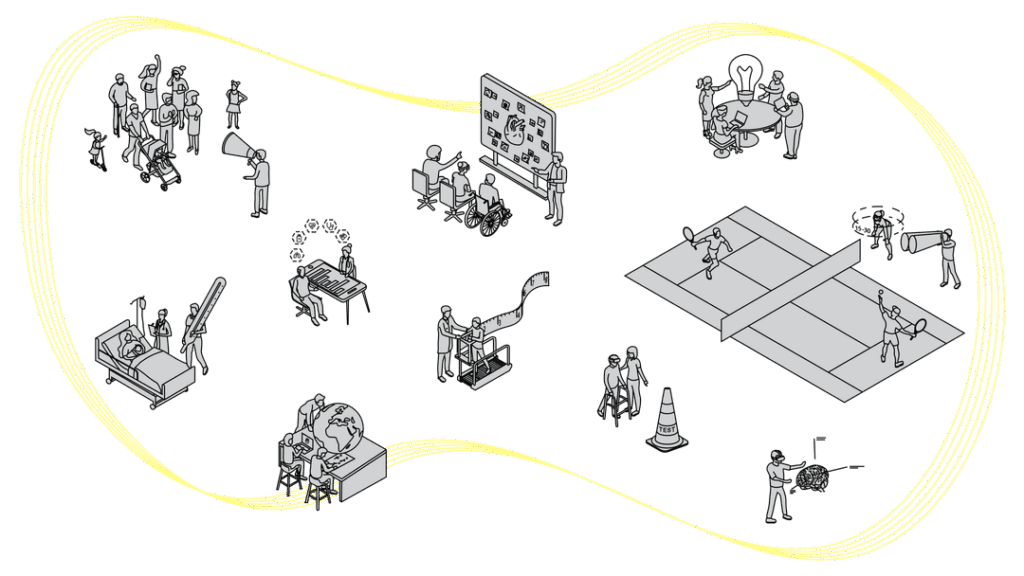
A recent publication by researchers at the University of Zurich and the University Hospital Zurich highlights the potential and limitations of patient preference predictors (PPP) in clinical practice.
The study examines innovative AI-based approaches to predicting patient preferences in critical medical situations. It focuses in particular on severe brain injuries and neurological intensive care, where patients are often unable to make decisions about their own treatment.
The study addresses one of the biggest challenges in intensive care medicine: how can we make treatment decisions that reflect the wishes of patients who are no longer able to communicate?
The publication shows that, despite technical advances, significant ethical and practical challenges remain before such systems can be used in routine clinical practice.
The full publication has been published in the journal Critical Care and is available open access.
Ferrario, A., Göcking, B., Brandi, G. et al. Patient preference predictors revisited: technically feasible, ethically desirable, yet must be clinically relevant. Critical Care 29, 437 (2025). https://doi.org/10.1186/s13054-025-05637-8